I’ve been watching cowboy hat trends evolve for three years now, and what started as country music festival fashion has become legitimate everyday style. What we’re seeing now goes way beyond the basic western aesthetic.
Fashion moves in cycles, and we’re in a moment where western influences have moved from niche to mainstream. Not the literal cowboy looks of the ’80s or early 2000s – this iteration feels more refined, more versatile, more wearable for actual daily life.
I follow designers, street style, fashion weeks, and what regular people are actually wearing. The trends emerging now will dominate the next 12-18 months before evolving into whatever comes next. Here’s what’s actually happening with cowboy hats in fashion.
Oversized Proportions Taking Over
The delicate, small-brimmed cowboy hats that dominated a few years ago are giving way to dramatically oversized versions. Wide brims, tall crowns, substantial presence – bigger is becoming the move.
I resisted this trend initially because oversized hats felt intimidating. Then I tried one and understood immediately – the drama and presence of a large hat makes a bigger statement with less effort. You don’t need complicated outfits when your hat commands attention.
The practical benefit is better sun protection. Those tiny brims were cute but useless. Wide brims actually shade your face and neck, making them functional in addition to fashionable.
Styling oversized hats requires confidence and simplicity. Keep your outfit minimal and let the hat do the talking. Oversized hat with busy outfit creates visual chaos – oversized hat with simple monochrome creates impact.
This trend works especially well for taller women who previously felt overwhelmed by hats. The larger proportion balances height rather than getting lost. Petite women need to try on different sizes to find what balances their frame without overwhelming it.
Neutral Tones Dominating Color Choices
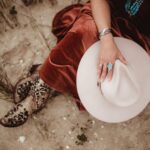
The trend away from black hats toward warm neutrals continues gaining momentum. Tan, cream, camel, light grey – these softer tones feel fresher and more versatile than traditional black or dark brown.
I own three neutral cowboy hats now and reach for them constantly. They work with everything, photograph beautifully, and feel less heavy than dark colors. The lighter tones also work better in warm weather.
Unexpected colors are emerging too – sage green, dusty rose, soft lavender. These fashion-forward options appeal to people who want cowboy hat style without traditional western colors. I’m seeing these mostly in urban markets where people push boundaries more.
All-white or cream hats specifically are having a moment. They feel summery and fresh, pair beautifully with denim, and create striking contrast in photos. The downside is maintenance – they show dirt and require more careful handling.
Two-tone or color-blocked hats represent the next wave. Contrasting hat band colors or mixed materials create visual interest while staying within neutral palettes. This trend is just starting and will likely grow over the next year.
Sustainable Materials And Craftsmanship
Consumers increasingly care about how their hats are made and what materials are used. The trend toward sustainable, ethically-produced fashion extends fully into cowboy hats.
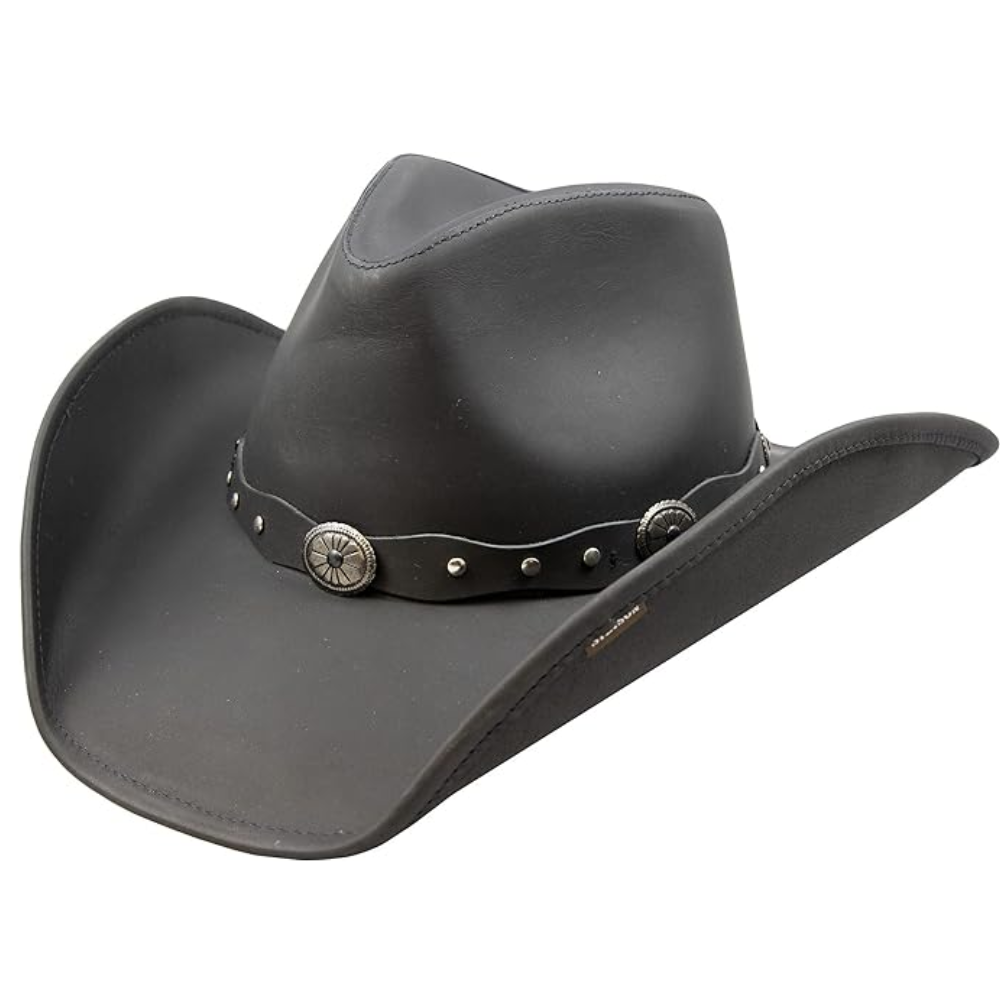
Natural fiber hats – wool felt, fur felt, straw, raffia – are gaining market share over synthetic materials. People want quality pieces that last and age beautifully rather than disposable fast-fashion versions.
Artisan-made hats from small producers appeal to buyers seeking unique pieces with stories. The mass-produced hat market still exists, but the growth is happening in handcrafted, limited-production pieces.
Transparency about sourcing matters now. Brands sharing where materials come from and how hats are constructed build customer loyalty. Mystery manufacturing doesn’t cut it with informed buyers.
This shift means higher price points but longer-lasting products. The $40 hat that lasts one season gets replaced by the $200 hat that lasts a decade. Different economic model but ultimately more sustainable.
Customization And Personalization Growing
Generic, off-the-rack hats are giving way to personalized versions that reflect individual style. People want hats that feel uniquely theirs, not identical to everyone else’s.
Custom hat bands have exploded – leather tooling, beading, embroidery, vintage scarves wrapped as bands. I’ve replaced the standard band on both my hats with vintage leather belts that feel more personal.
Adjustable sizing and custom fitting services let buyers get perfect fit rather than settling for standard sizes. Hats that fit properly look better and wear more comfortably, making customization worthwhile.
Monogramming and branding create personalized touches that make hats feel special. Initials embossed on the band or small custom details differentiate your hat from mass-produced versions.
This trend reflects broader movement away from logo-heavy fashion toward personalized, meaningful pieces. People want their accessories to reflect their personality, not just brand allegiance.
Versatility Across Occasions
The biggest trend is cowboy hats moving from special-occasion pieces to everyday accessories. People wear them to work, running errands, working out, traveling – situations that would’ve seemed weird a few years ago.
Athletic wear with cowboy hats has become surprisingly common. Leggings, sports bras, sneakers, and a hat create a look that’s both practical and stylish for active lifestyles. I see this constantly at farmers markets and outdoor weekend activities.
Professional settings are slowly accepting cowboy hats as legitimate accessories rather than casual-only items. Paired with tailored clothing, quality hats read as fashion-forward rather than unprofessional.
Travel has driven huge adoption – hats pack easily, provide sun protection, and solve bad-hair-day problems while looking intentional. I bring a hat on every trip now because it’s both functional and photogenic.
Evening wear with cowboy hats represents the next frontier. We’re starting to see hats paired with cocktail dresses and heels for events where western dress codes don’t apply. This pushes boundaries but reflects how normalized hats have become.
Wrapping This Up
Cowboy hat trends are moving toward bigger proportions, neutral colors, sustainable materials, and increased versatility across contexts. The hats becoming popular now work for daily life rather than just themed events.
This isn’t a flash trend that’ll disappear next season. Western influences have staying power because they’ve evolved beyond costume into legitimate fashion category. The looks keep getting refined and adapted to contemporary life.
Investment in quality pieces makes more sense than chasing fast-fashion versions. Trends may shift in details, but a well-made neutral cowboy hat will remain wearable for years as proportions and styling evolve.
Watch what early adopters and fashion-forward people in your area are doing with hats. Regional differences matter – trends hit different markets at different times. What’s everywhere in Texas might just be emerging in New York.
Previous Article
Western-Inspired Urban Looks For Womens Cowboy HatsNext Article
Guide To Finding Affordable Womens Cowboy Hats