
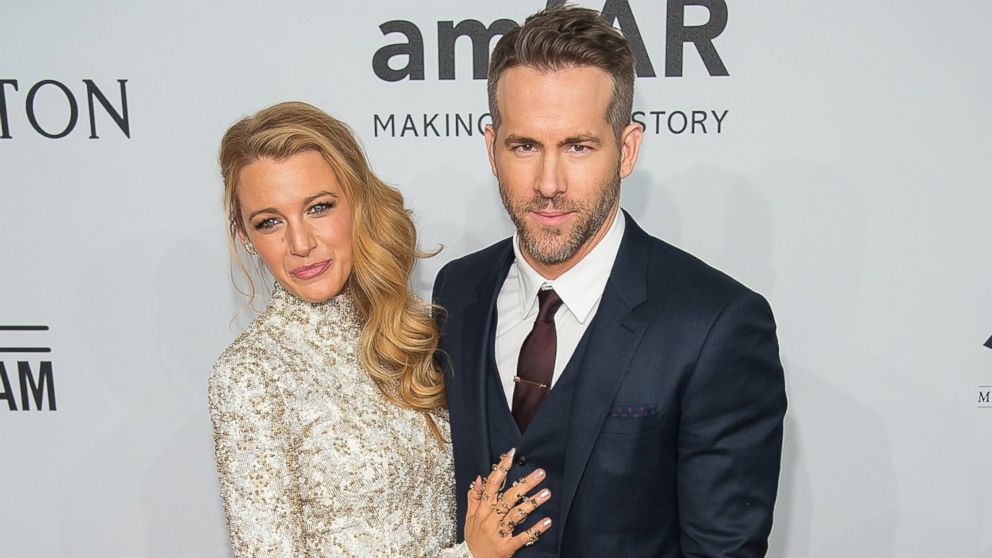
Ryan Reynolds wife news has become entangled with legal controversy, public perception warfare, and speculation about marital strain that may or may not reflect actual dynamics. What makes this situation distinct is how external pressure—specifically, Blake Lively’s high-profile legal dispute—intersects with relationship narratives in ways that blur cause and effect. The challenge is separating operational stress from manufactured crisis.
When reputational risk affects one partner, the second partner faces a choice: visibly support and absorb collateral damage, or create distance and face speculation about abandonment. Neither option is clean.
The Strategy Behind Absence And What It Signals
Lively’s absence from Reynolds’ recent premiere sparked immediate speculation, with observers noting it coincided with her former close friend Taylor Swift’s album release, which allegedly references their fallout. The interpretation was instant: absence equals discord.
The reality is more complex. Lively is managing a legal battle that continues to generate negative coverage, and public appearances extend the news cycle rather than contain it. Staying out of sight is a defensible strategy when the alternative is providing fresh material for ongoing speculation.
Reynolds has not publicly distanced himself, but his social media activity has been scrutinized for what it does not include. When fans noticed he had not posted birthday wishes or recent photos, the absence was interpreted as confirmation of marital problems.
Narrative Control, Social Media Signals, And Audience Interpretation
What I’ve seen play out repeatedly is that silence becomes evidence when audiences expect performance. Reynolds and Lively built a public brand around playful interaction, so any deviation from that pattern registers as anomaly.
The couple’s previous dynamic involved frequent teasing and public affection, which created an expectation of visibility. When that visibility diminishes, the interpretation defaults to trouble, even if the actual reason is strategic withdrawal during a difficult period.
From a practical standpoint, maintaining the performance during crisis is exhausting and often counterproductive. But abandoning it entirely creates a vacuum that speculation fills instantly. The middle path—limited, controlled engagement—is difficult to execute when external pressure is high.
Pressure, Legal Fallout, And The Cost Of Negative Attention
Lively’s legal dispute has generated sustained negative press, and reports suggest she feels “humiliated” by aspects of the situation. When one partner is under that level of public scrutiny, the relationship absorbs secondary stress regardless of its underlying health.
Insiders have described a shift in their interactions, claiming that what was once playful banter has taken on a “toxic” quality. This framing is common in relationship coverage, but it also reflects a real phenomenon: stress migrates from external sources into internal dynamics.
The risk here is conflating symptom with cause. Legal pressure and public backlash create strain, which then manifests in communication patterns. Whether that strain indicates fundamental relationship failure or temporary crisis is not discernible from external observation alone.
The Reality Of Managing Dual Reputational Risk
Reynolds is not insulated from the fallout affecting Lively. His brand is tied to hers, and prolonged association with controversy carries reputational cost. This creates competing pressures: support your partner visibly and share the damage, or reduce visibility and face accusations of disloyalty.
What actually matters is private alignment, but public perception shapes future opportunities for both parties. If Reynolds is seen as distancing himself, his own brand as a loyal, family-focused partner takes a hit. If he remains visibly supportive, he extends his exposure to her ongoing legal issues.
The data suggests he has opted for selective silence—continuing private support while reducing public performance. This is a calculated middle path, but it satisfies no one. Supporters see it as insufficient, and critics see it as self-protective.
Risk, Speculation Cycles, And What Comes Next For The Couple
Divorce rumors accelerated when Reynolds did not post for Lively’s birthday, a detail that would be irrelevant in any context outside celebrity observation culture. But in this environment, every absence is interpreted as signal.
What comes next depends on how quickly the legal situation resolves and whether the couple can reestablish their public narrative without appearing performative. The window for that is narrow. Prolonged silence cements speculation; sudden visibility appears reactive.
From a business standpoint, both have individual projects and partnerships that depend on stable public perception. How they manage the next six months will determine whether this period is remembered as a temporary rough patch or the beginning of a permanent fracture.

Previous Article
Chris Hemsworth wife newsNext Article
Ryan Gosling wife news