
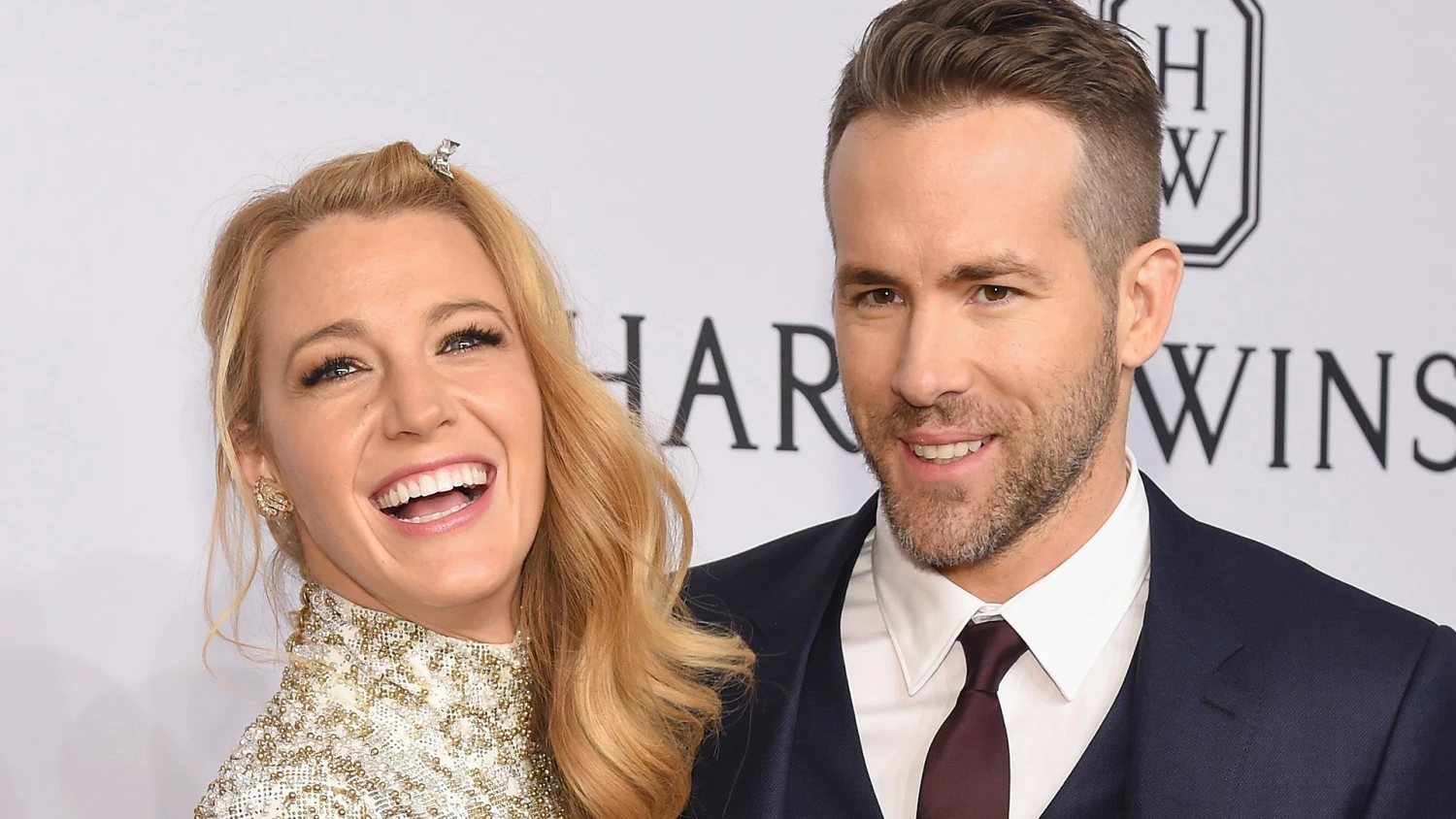
Legal battles carry reputational shrapnel that extends far beyond courtroom outcomes. Ryan Reynolds wife Blake Lively news recently centered on ongoing litigation involving allegations of harassment and professional retaliation. What makes this case particularly instructive is how legal strategy intersects with brand management when both parties have significant commercial platforms and public goodwill to protect.
The dispute involves Blake Lively’s co-star and director from a film project, with countersuit dynamics creating layered narrative complexity. Both personal reputation and commercial viability are at stake in ways that demonstrate modern celebrity risk exposure.
Legal Positioning And The Brand Economics At Stake
Blake filed allegations that triggered both legal proceedings and intense public attention. A judge recently dismissed a significant countersuit, which represents tactical victory but not narrative closure. The longer these proceedings continue, the more both parties accumulate reputational cost regardless of eventual legal outcomes.
The bottom line is that litigation in high-visibility contexts operates on dual tracks: legal merit and public perception. Winning in court matters, but so does how the process affects commercial partnerships, future casting decisions, and audience sentiment. Both tracks run simultaneously with different timelines and success metrics.
From a practical standpoint, extended legal battles create decision fatigue for brands deciding whether to maintain relationships with involved parties. The longer the uncertainty persists, the more conservative those decisions become.
Secondary Relationship Impact And Why It Compounds Risk
Recent coverage suggests that the legal situation has affected Blake and Ryan’s relationship with other high-profile figures. Specifically, reports indicate cooling dynamics with close friends who may be calculating their own association risk. This secondary impact demonstrates how reputational challenges cascade beyond the primary parties.
What I have learned is that celebrity friendships often carry commercial dimensions that casual observers miss. Endorsements, joint ventures, social media visibility, and event co-appearances all generate value. When one party faces controversy, associated parties must weigh continued visibility against potential contamination.
The reality is that some relationships survive this pressure and others dissolve not from personal betrayal but from cold business calculation. Public figures protect their own brands first, friendships second.
Platform Dynamics And How Statements Get Protected Or Weaponized
Legal protections exist for statements made within court filings, which is why Blake’s lawsuit statements could not form the basis for defamation claims against her. This technical legal point matters enormously in an environment where every public statement can trigger counter-litigation.
Here is what actually works: using protected legal channels to make necessary statements while minimizing voluntary public commentary that lacks similar protection. The tradeoff is that court filings reach narrower immediate audiences than social media, even though they generate secondary coverage.
Look, the data tells us that strategic silence paired with formal legal communication often outperforms reactive public relations in high-stakes disputes. But silence feels passive, creating pressure to respond in real-time through less protected channels.
Timeline Pressure And Why Media Cycles Demand Premature Resolution
The legal dispute recently hit the one-year mark, which media coverage framed as significant. In legal terms, a year is often rapid progression. In attention cycle terms, it is an eternity. This temporal mismatch creates pressure for public resolution that legal strategy may not support.
From my experience, couples navigating shared reputational challenges face compound pressure: resolve the external dispute, maintain internal partnership stability, and manage public perception of both. These three objectives rarely align on timing or tactics.
The reality is that courtroom timelines and media news cycles operate on fundamentally incompatible schedules. Legal strategy requires patience; attention economy rewards immediate resolution. Ryan Reynolds wife Blake Lively news demonstrates this tension in real-time.
Career Implications And Why The Stakes Extend Beyond Personal Reputation
Reports suggest concern about how the legal situation might affect Ryan’s career trajectory in addition to Blake’s. This reflects the reality that high-profile relationships create career interdependence. One partner’s controversy becomes the other’s liability through association.
What surfaces here is the economics of celebrity brand management. Both Blake and Ryan have commercial endorsements, production deals, and franchise commitments that assume positive public sentiment. Prolonged controversy introduces variables that partners in those deals did not originally price into their agreements.
What actually happens in these situations is that some brands quietly distance, some explicitly terminate relationships, and some wait to see resolution before making moves. The uncertainty itself carries cost in the form of deals not offered and opportunities preemptively withdrawn.

Previous Article
Chris Hemsworth wife Elsa Pataky newsNext Article
Matthew McConaughey wife Camila Alves news