
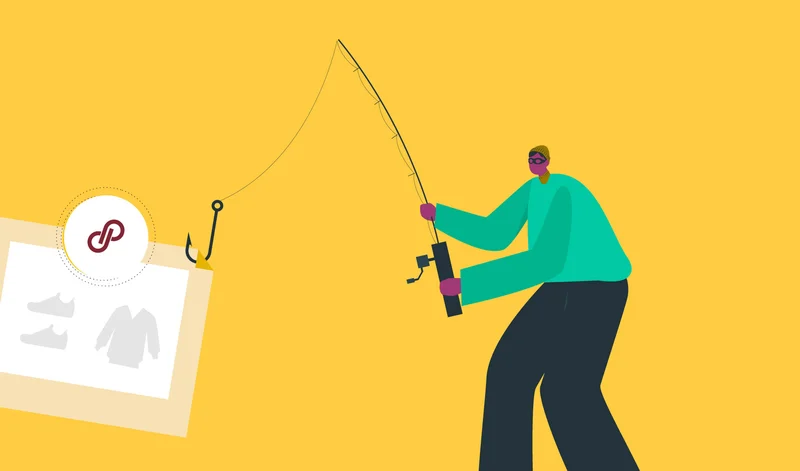
Recent platform updates in early 2026 have drawn fresh attention to Poshmark’s operations as a legit safe shopping platform, amid seller backlash and promises of better transparency. Buyers and sellers alike scrutinize its protections following high-profile fraud cases like the Montgomery County triangulation scheme exposed last year. While over 180 million users have transacted since 2011, complaints on sites like Trustpilot highlight persistent issues with scams and support. This resurgence in discussion underscores whether Poshmark remains a reliable space for secondhand fashion and beyond, especially as Korean parent Naver steers new policies. Public records show a mix of robust buyer safeguards and vulnerabilities that surface in peer-to-peer dealings.
Platform Security Measures
Posh Protect Coverage
Posh Protect holds payments until buyers confirm delivery, covering full refunds if items arrive damaged or misrepresented. Sellers benefit too, with funds released only after verification or a three-day window passes. This system processed transactions securely for years, though recent Trustpilot reviews from January 2026 note delays in disputed cases.
High-value items over $400 require signatures, adding a layer against porch theft or denials. Authentication for luxury goods above $500 routes packages through Poshmark’s centers before final delivery. Users report these steps build confidence, yet swap scams persist where buyers allegedly return fakes.
Platform data shows most claims resolve in favor of evidence providers, but sellers complain of one-sided outcomes without pre-shipment photos. New 2026 updates promise listing-level insights to spot risky patterns early. Still, off-app requests void these protections entirely.
Bot and Account Safeguards
Partnerships like Cequence Security block over 600,000 account takeover attempts annually, reducing fake listings by real-time filtering. No more routine CAPTCHAs for logins, with 99% fewer challenges reported. This targets the proliferation of bot-driven spam that plagued feeds last year.
Two-factor authentication remains mandatory, though scammers exploit “forgot password” tricks via shared emails. Platform monitors trigger words in messages, auto-flagging off-platform lures. Recent seller hubs in the app notify of suspicious activity directly.
Korean leadership’s 2026 previews emphasize trust-building, including restricted states for high-cancellation sellers. Yet, new accounts still slip through, prompting community calls for stricter onboarding. These measures hold the line, but volume growth strains enforcement.
Payment Processing Security
All in-app payments use encrypted processors, holding seller payouts post-delivery confirmation. No direct card handling by users avoids chargeback fraud from stolen cards. Triangulation schemes, like the @valdez310 case, get flagged when patterns emerge across listings.
Venmo or Zelle requests signal immediate red flags, as they bypass holds and insurance. Buyers see secure checkouts with major cards, while sellers access earnings via direct deposit after holds. 2026 bulk upload tweaks integrate Smart Sell to automate safe offers.
Complaints persist on BBB about frozen funds in disputes, with some waiting weeks. Platform counters that 3% cancellation thresholds now curb abuse. Overall, this setup minimizes direct fraud, though peer disputes test its limits.
Data Privacy Protocols
User profiles stay anonymized until transactions, with no public negative ratings visible. Poshmark deletes violating accounts swiftly, as seen in repeated @valdez310 takedowns. Email phishing mimics official notices, but verified sends come from poshmark.com domains only.
GDPR-compliant storage limits data retention, alerting on breaches. Sellers get packing slip options tying shipments to buyers. Recent app refreshes streamline notifications, cutting spam exposure.
Critics on Reddit note persistent fake profiles despite bans. Platform’s response: AI-driven comment verification for real users. These protocols shield most, but savvy scammers adapt quickly.
Notification and Alert Systems
In-app hubs updated in January 2026 deliver policy changes and scam warnings directly. Buyers get delivery proofs, while sellers see claim statuses live. This cuts email reliance, where spoofs thrive.
Push alerts flag unusual login attempts or high-risk bundles. Combined orders for repeat buyers now simplify tracking, reducing mix-up claims. Users praise fewer glitches post-refresh.
Delays still frustrate, per Trustpilot logs from late 2025. Platform vows quarterly previews to preempt issues. Effective for routine use, but crises demand manual support.
Common User Complaints
Off-App Transaction Pressures
Scammers lure with bundle offers via WhatsApp or email, promising fee savings. Sellers tempted by 20% commission avoidance fall first, losing items and protections. Buyers face fake labels after Venmo pays.
New accounts push hardest, citing “app glitches.” Platform bans recur, but fresh profiles pop up. 2026 updates restrict high-cancellation users, indirectly curbing bait tactics.
Community groups on Facebook share screenshots, building informal blacklists. Yet, urgency preys on newcomers. Staying in-app remains the repeated mantra, though ignored often.
Return Fraud Patterns
Buyers ship back damaged swaps, claiming “not as described.” Luxury handbags top lists, with faked authentication photos. Sellers lose authentic goods plus refunds, per BBB cases from March 2025.
Pre-shipment videos counter this, but time burdens casual users. Poshmark investigates, favoring documented proof. Recent policies hold funds longer in disputes.
Trustpilot entries from April 2025 detail stinky returns or missing belts denied. Platform rules require acceptance windows, stacking odds. Patterns favor prepared sellers.
Customer Support Delays
Inquiries pile up, with responses lagging weeks amid growth. Disaffected users on Sitejabber average 1.3 stars, citing ignored evidence. High-volume resellers hit hardest.
App-based tickets prioritize, but escalations stall. 2026 seller updates add hubs for self-help, easing basics. Still, complex fraud needs human eyes.
Reddit threads from November 2025 vent on policy whiplash. Platform promises staffing boosts, but execution lags. Frustration fuels platform exits.
Counterfeit Listing Spikes
Fake designer clogs or glasses flood feeds, passing casual checks. Buyers unwrap fakes post-$750 spends, per BBB logs. Authentication catches some over $500, but lower tiers slip.
Sellers unknowingly flip counterfeits from thrifts. Platform removes post-reports, but damage done. 2026 insights aim to highlight suspicious volumes.
Reviewers note care card mismatches ignored. Vigilance starts with stitching scrutiny.
Bundle and Partial Refund Tricks
Buyers bundle multiples, then claim misses for partials. Sellers refund one, keeping rest illicitly. Packing lists and photos mitigate, but overlooked often.
High-ticket Posh Shows amplify risks with repeaters. New combine features track 24-hour windows better. Complaints peak post-holidays.
Users adapt with stickers demanding inspections. Patterns evolve, testing wits.
Buyer Experiences
Successful Transaction Stories
Many snag deals on gently used Levi’s or Lululemon, confirming via unboxing videos. App Store’s 4.8 stars reflect quick ships and matches. Casual flips yield side cash reliably.
Repeat buyers bundle confidently, leveraging Love Notes. Community vibes foster tips on hidden gems. Smooth for most, per 944k ratings.
2026 updates boost discovery, surfacing fits faster. Positive loops sustain loyalty.
Fraud Victim Accounts
One lost $700 on authenticated LV post-delivery extortion. Buyer claimed new damage despite clears; funds held indefinitely. Trustpilot rants echo this from April 2025.
Triangulation victims trace cards to Dick’s via Posh listings. Police probes uncover networks, but recoveries rare. Buyers delete apps post-$35 fakes.
Patterns hit luxury hardest, with no recourse off-app.
Delivery and Quality Issues
Packages arrive late or beat-up, triggering 3-day claims. USPS Ground Advantage direct orders help, but porch pirates strike unsigned lows. Signatures over $400 curb some.
Stained or odorous arrivals spark disputes. Sellers blame prior owners; buyers eye photos closer now. Variability defines peer sales.
Luxury Authentication Wins
Over-$500 bags reroute verified, boosting confidence. Users praise delays worth authenticity. Fakes dwindle in this tier.
Casual luxury slips through, prompting tag checks. Positive for big spends.
Support Resolution Outcomes
Prompt cases refund swiftly; others drag. Documented proofs sway most. Mixed bag, with 2026 hubs promising faster self-serves.
Seller Perspectives
Earnings Reliability
Pro resellers hit $20k yearly, per reviews. Payouts post-holds fund thrifts. Bulk tools automate now.
Fees sting at 20%, but protections offset. Steady for niches like athleisure.
Scam Defense Strategies
Photos every angle pre-seal; labels visible. Block newbies pushing off-app. Facebook wisdom guides.
Smart Sell auto-rejects lows. 2026 data spots trends.
Policy Impact Frustrations
Excessive listing removals sparked 2025 backlash. Cancellations over 3% restrict now. Transparency pledges follow.
Bulk sharing revives aid volume. Leadership shift promises stability.
High-Volume Challenges
Live Shows compete with own sales. Notifications overwhelm. Tools like Vendoo crosslist escapes.
Insights quarterly help curate. Grind pays, but burnout looms.
Community Support Networks
Posh groups share bolos, scam alerts. Lives demo packs. Bonds buffer solo risks.
Influenster’s 4 stars nod community strength.
The public record paints Poshmark as a legit safe shopping platform with solid bones—Posh Protect, authentication, bot blocks—but cracks show in peer frailties and support strains. Triangulation busts and Trustpilot lows (1.2 average) reveal scammers exploit volumes, while 2026 updates like seller hubs and cancellation curbs signal adaptation. Buyers win on protections if in-app; sellers thrive documented. Unresolved: whether Naver’s grip tightens enforcement amid growth, or complaints swell to exodus levels. Forward, users weigh conveniences against vigilance demands, as peer markets evolve no scam-proof havens. Platforms promise more, but human elements persist. Watch policy previews; they hint at trajectories.

Previous Article
Rebecca Halliday Biography Public ProfileNext Article
Pixel 2 XL Panda Specs Review