
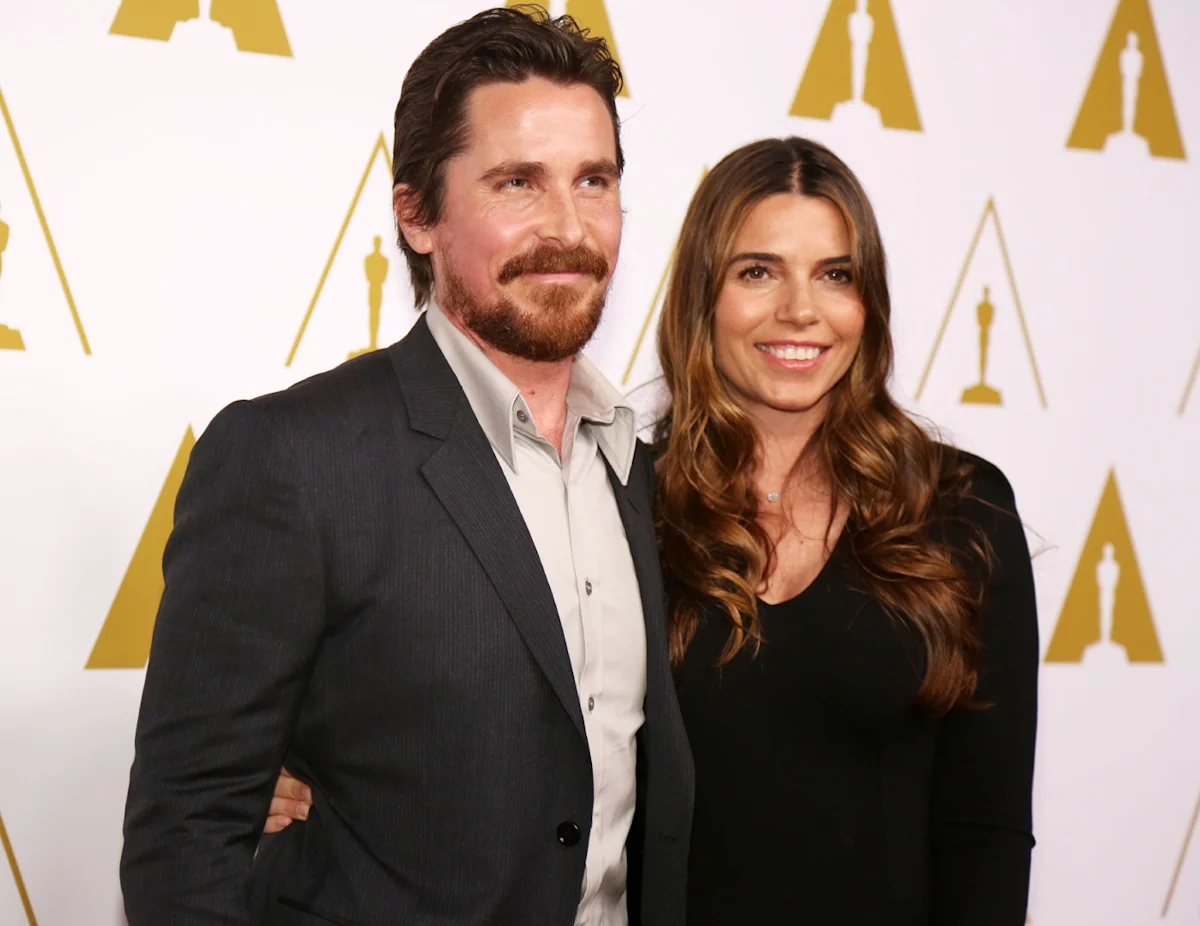
Christian Bale wife Sibi Blazic news typically surfaces during rare public appearances, award ceremonies, or when the actor makes selective comments about family life. Unlike celebrity couples who maintain active public profiles, Bale and Blazic have sustained a notably private marriage spanning more than two decades, creating a distinct dynamic where limited visibility generates heightened interest during the moments they do appear together. The recent public outing in Rome with their son marked one of these rare visibility windows, prompting renewed attention to a relationship that has remained remarkably stable in an industry known for high-profile relationship turnover.
What makes this relationship newsworthy is precisely its lack of drama, its longevity, and the unconventional background that brought them together. The data tells us that long-term celebrity marriages maintained outside intensive public scrutiny represent a different approach to fame management entirely.
Confirmation And Context Behind A Two-Decade Partnership Strategy
Bale and Blazic married in 2000, establishing their relationship before his career-defining role in the Batman franchise significantly amplified his public profile. They met through an unconventional route: Blazic worked as a personal assistant to actress Winona Ryder, facilitating their introduction through industry connections rather than traditional Hollywood social circuits.
The couple has two children: daughter Emmeline, born in 2005, and son Joseph, born in 2014. Emmeline has since launched her own modeling career, walking for major fashion houses while her parents watch from the audience rather than seeking camera attention themselves.
Their partnership includes a professional dimension that extends beyond traditional spouse dynamics. Blazic has worked as a stunt driver and even performed stunts in one of Bale’s films, meaning she understands the physical and logistical demands of his work environment from direct experience. This shared professional context creates practical understanding that purely personal relationships might lack.
Privacy As Competitive Advantage In Reputation Management Cycles
Bale has been explicit about his intention to keep family life separate from professional visibility. He’s described never planning to marry, making his eventual commitment to Blazic even more significant given it represented a departure from stated intentions. This narrative arc—from explicit resistance to long-term commitment—provides a different storyline than traditional celebrity romance trajectories.
The practical advantage of their privacy approach manifests in how little controversy or speculation surrounds their relationship. There are no tabloid cycles, no breakup rumors, no reconciliation stories. From a reputational standpoint, this creates stability that allows Bale’s professional work to remain the primary narrative focus.
What I’ve seen play out repeatedly is that relationships maintained outside public validation systems require different forms of commitment. Without external validation or attention rewards, the relationship must function on its own merits rather than as performance. This creates different sustainability dynamics, though it also means less public goodwill accumulation that some couples leverage during career transitions.
Rare Visibility Moments And Why Scarcity Creates Amplified Interest
When Bale and Blazic do appear publicly, those moments generate disproportionate attention precisely because they’re infrequent. The Rome appearance with their son became newsworthy not because anything remarkable occurred, but because visibility itself is the event.
This scarcity principle operates across attention markets. Limited supply of any commodity, including access or information, typically increases perceived value. For celebrity relationships, this means occasional appearances can generate more sustained interest than constant visibility, which audiences eventually tune out as background noise.
The couple’s attendance at award ceremonies follows similar dynamics. Blazic accompanies Bale to major industry events, providing visual confirmation of the relationship’s continuity without offering narrative content through interviews or social media documentation. This creates what marketing frameworks might call “brand presence without message saturation.”
Professional Integration And The Reality Of Industry Relationships
Blazic’s background as a stunt professional provides unusual insight into the demands Bale faces during physical film roles. She’s worked as a stunt driver, a makeup artist, and a model, meaning she understands multiple aspects of production environments from participant perspective rather than observer status.
This professional integration changes relationship dynamics in practical ways. She can assess script demands, understand preparation requirements for physical roles, and evaluate whether project timelines will disrupt family life with informed judgment rather than speculation. These are operational advantages that purely personal partnerships might lack.
The reality is that sustainable long-term relationships in high-pressure industries often benefit from some form of mutual understanding of professional demands. When one partner has direct experience with the logistical and physical requirements the other faces, negotiation about work-life balance operates from shared knowledge rather than competing interpretations.
Longevity Signals And What Sustained Privacy Actually Protects
After more than twenty years of marriage, the Bale-Blazic partnership has outlasted numerous higher-profile celebrity relationships that received far more public attention. This longevity itself becomes a form of news, particularly as their children reach ages where they’re making their own career choices.
The sustained privacy has protected their children from intensive scrutiny during developmental years, though Emmeline’s emergence in modeling now places her in public view by her own professional choice. This represents a transition where the family’s privacy strategy shifts as adult children make independent decisions about their own visibility.
From a practical standpoint, what their approach demonstrates is that privacy and fame can coexist when boundaries are established early and maintained consistently. The challenge lies in the discipline required to maintain those boundaries when opportunities for attention, and the professional opportunities that often accompany that attention, constantly present themselves. Their model works because both partners apparently value the protection it provides more than the benefits alternative approaches might offer.

Previous Article
Leonardo DiCaprio wife newsNext Article
Benedict Cumberbatch wife Sophie Hunter news